

My #1 supplement in the winter isn’t actually a supplement. It’s UVB light.
The more I learn about health and performance, the clearer it gets that UV light is a requirement for the body to function optimally.
Whether you’re an athlete, 9-to-5-er, doctor…this holds true in every walk of life and performance discipline.
There are three relevant types of UV light, but I’m focusing on UVB here because of its unique properties, and because its typically the most vilified.
UVB is defined as light from 280 to 315 nanometers. It’s the strongest form of light we get from the sun (UVC is stronger but doesn’t penetrate past the stratosphere).
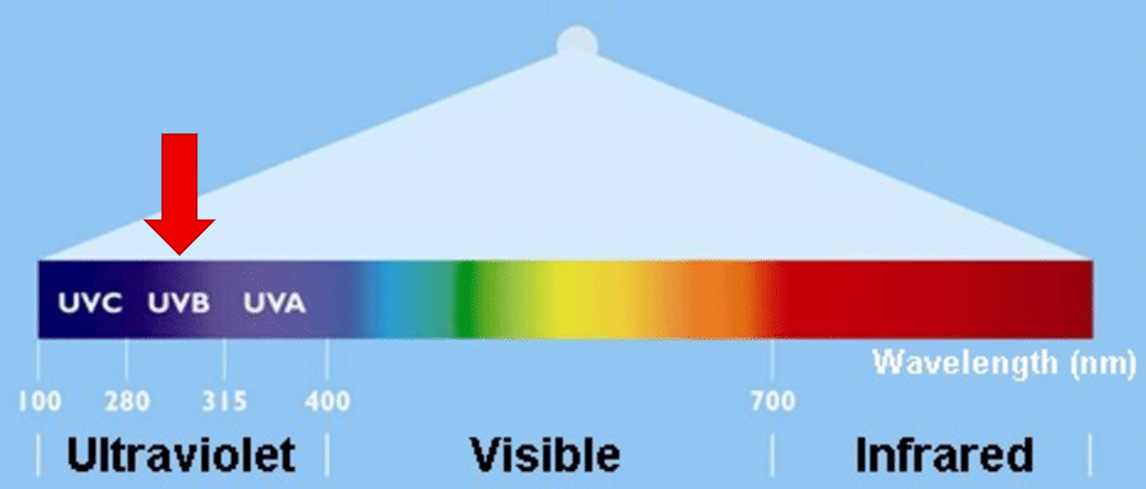
Most doctors and dermatologists would tell you unequivocally that UVB is harmful because its strong enough to break bonds within molecules including DNA, causing ailments like skin cancer.
The research tells a different story.
Rates of chronic disease such as multiple sclerosis, breast cancer, melanoma, and diabetes DECREASE the closer you get to the equator, where UV light is the strongest year-round.
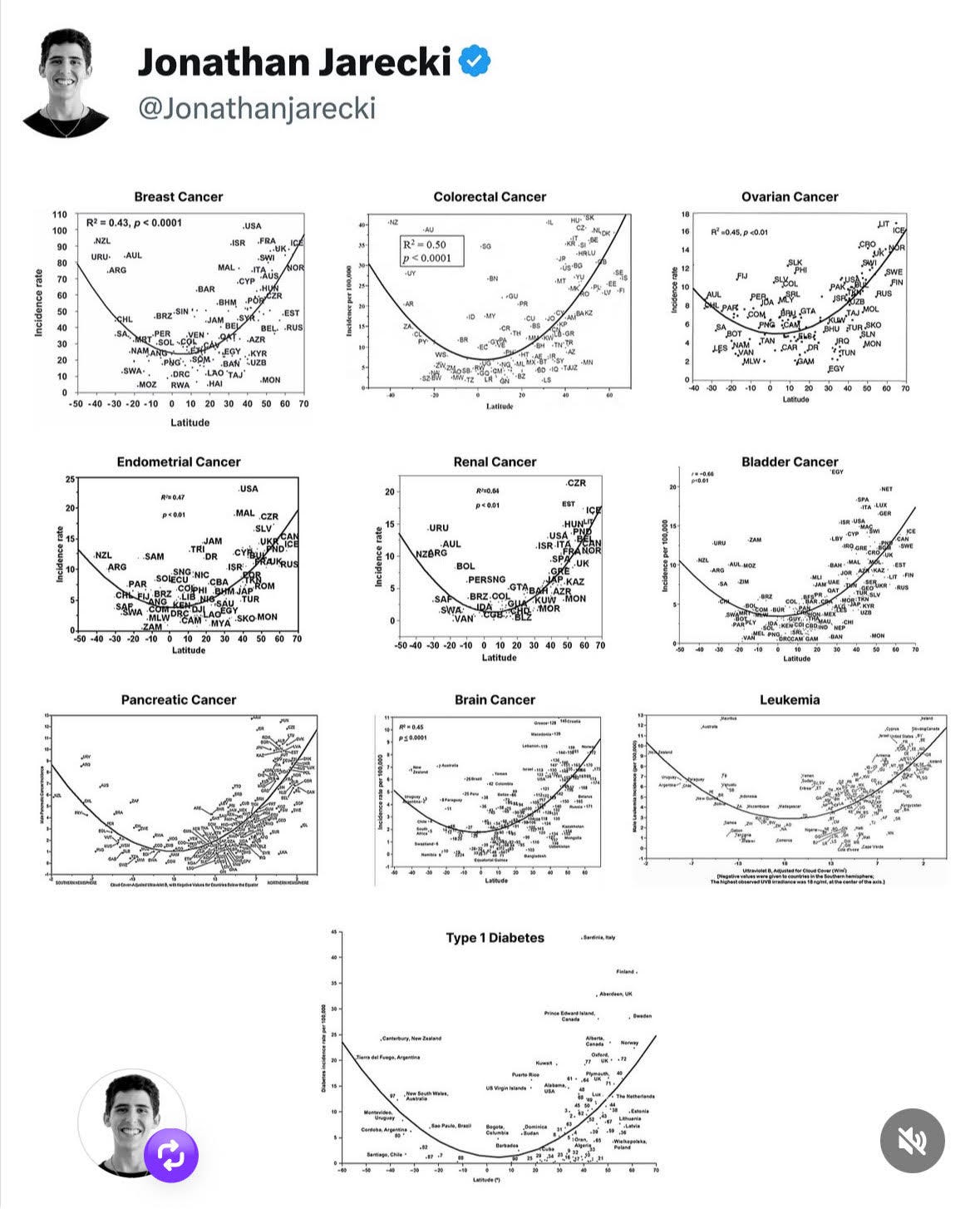
Insufficient sun exposure is estimated to account for over 800,000 deaths per year in the US and UK, with low Vitamin D due to a lack of UVB exposure cited as a primary factor.
Additionally, indoor workers show higher rates of skin cancer compared to outdoor or blended occupations, and incidence of melanoma was highest in lesser exposed areas such as the abdomen.
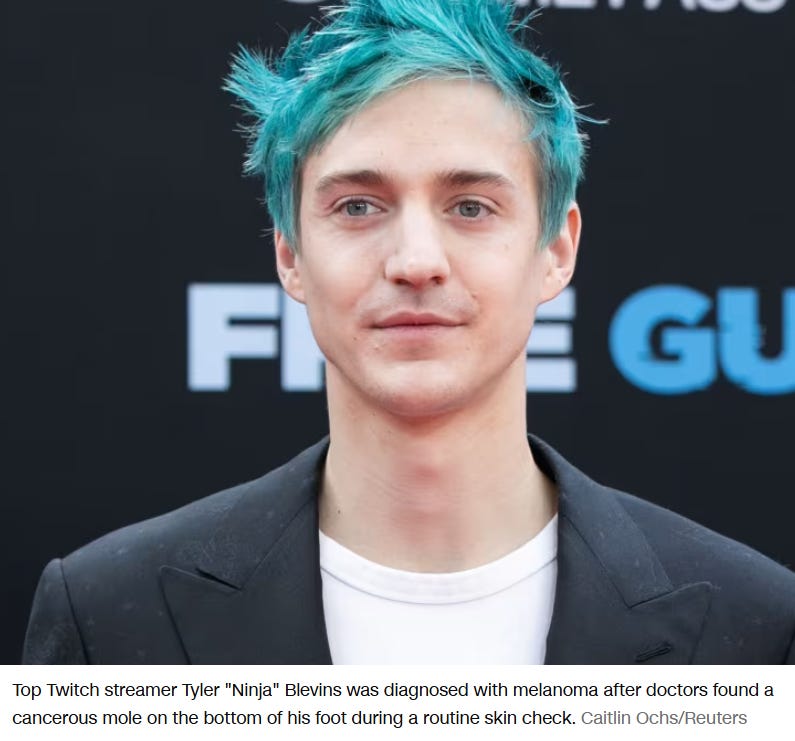
And don’t forget your favorite Twitch streamer Ninja, who spends virtually all day indoors, got skin cancer…on the bottom of his foot.
The reality is that safe UVB exposure protects against virtually all forms of disease and its positive health effects are far-reaching, beyond just Vitamin D production.
This blog will unpack the many benefits of UVB light and the most effective ways to get it for optimal health & performance.
The POMC Lever
The magic of UVB lies in its effects on “pro-opiomelanocortin” (POMC). Light interacts with various molecules in the body like cholesterol, DHA, water, and amino acids. One such molecule is POMC, a large peptide hormone that gets “cleaved” or broken down into various other hormones depending on the type of light it interacts with.
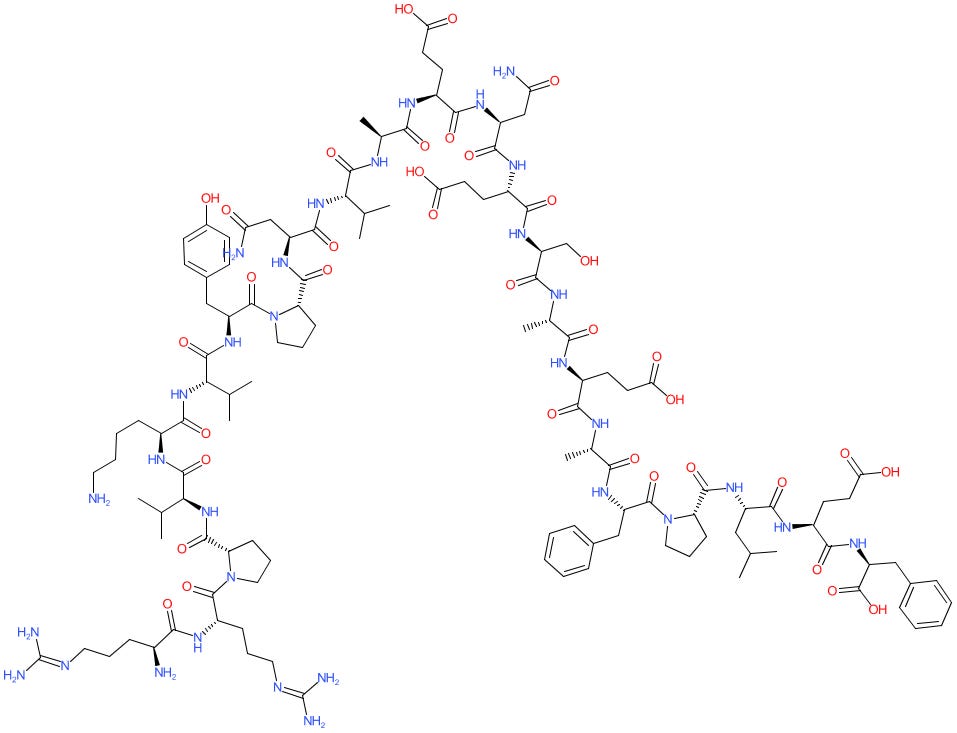
UVB light exposure cleaves POMC into around ten different peptides, most importantly:
Alpha melanocyte-stimulating hormone (a-MSH):
Produces melanin: Deserves its own blog for its importance. Melanin sequesters heavy metals, protects the body from non-native electromagnetic radiation, supports brain function, transduces all forms of light into usable energy for the body, and liberates free electrons and molecular hydrogen & oxygen from water molecules.
Metabolic health: Reduces appetite and increases energy expenditure via the leptin-melanocortin pathway, acting as a natural body composition regulator.
Sexual health: Boosts libido and erection quality.
Immune strength: Regulates inflammatory cytokine activity by downregulating the Nf-kB pathway, neutralizes lipopolysaccharide, reduces autoimmune activity, and contains anti-microbial properties to fight fungus, bacteria, yeast, and mold (95% of mold patients have suppresses a-MSH).
Beta endorphin (b-END): An endogenous opioid that boosts mood, energy metabolism, and pain reduction. It works with dopamine to reinforce pleasureful activities.

Additionally, UVB indirectly supports optimal sex hormone levels by mitigating suboptimal POMC cleavage from excess blue light exposure.
Blue light tilts POMC cleavage towards ACTH and CLIP, hormones that raise cortisol, blood sugar, and insulin. This process diverts resources away from sex hormone synthesis in favor of cortisol production (”pregnenolone steal syndrome”).
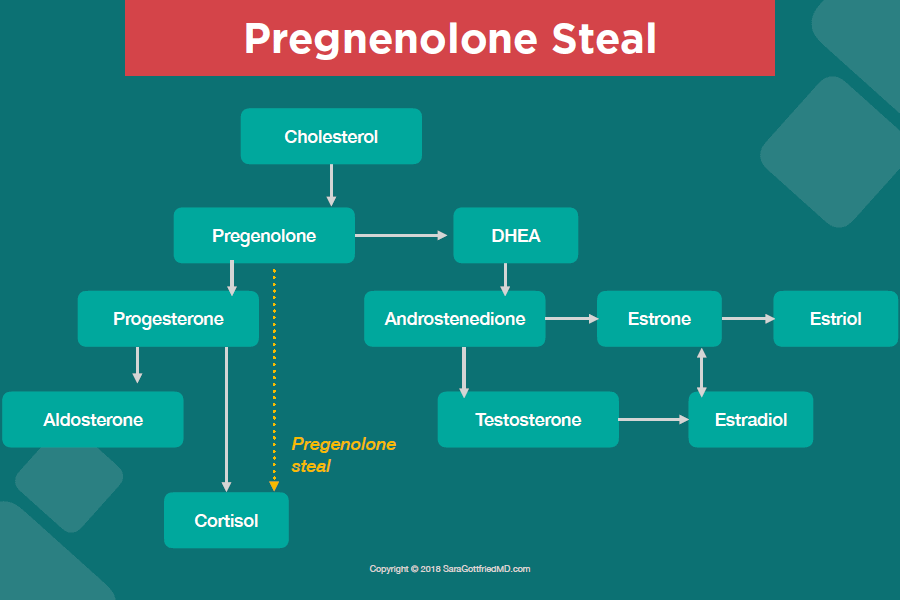
Chronically activated ACTH and CLIP leads to metabolic disarray long-term, contributing to fat storage, insulin resistance, and mitochondrial dysfunction. In this sense, UVB is also indirectly protective of metabolic health.
More Benefits of UVB
Gut & Immune Modulation: UVB drives the conversion of 7-dehydrocholesterol into Vitamin D, healing the gut lining and optimizing white blood cell activity. UVB exposure has also been shown to positively modulate the microbiome.
Regulates cholesterol: UVB ensures cholesterol is properly funneled into Vitamin D and sex hormone synthesis
Mood & Sleep: The amino acid tryptophan strongly absorbs UVB light with an absorption peak of 280nm. Tryptophan is the precursor for serotonin and melatonin, boosting mood and supporting sleep quality (provided you’re nighttime environment is as dark as possible).
Dopamine & Thyroid: Tyrosine, another aromatic amino acid, also absorbs UVB light (less strongly than tryptophan). Tyrosine is the precursor for molecules such as dopamine, thyroid hormone, noradrenaline, and melanin. Dopamine supports motivation, coordination, delayed gratification, and executive function while thyroid hormone is essential for metabolic health, regulating fat storage and energy production.
Tools to Optimize UVB Light Exposure
Hopefully it’s clear you need more UVB, even if you’re not chronically ill or focused on longevity. Obviously the most effective way to get it is through sunlight. If you live in a tropical area (sub-20 latitude) or a place like Florida, you can get UVB year-round. Use the MyCircadian app to find your exact window of exposure based on where you live and time of year. Prioritize sunlight first and foremost, maxing out during the summer months.
If you live in a cold winter latitude like Chicago or work a desk job and can’t get outside consistently, use the tools below to supplement UVB. Be careful to avoid burning and prioritize circadian health no matter what. Ensure adequate red and infrared light exposure throughout the day and before/during/after UVB sessions. Do your sessions on your lunch break or between hours of 10a-2p.
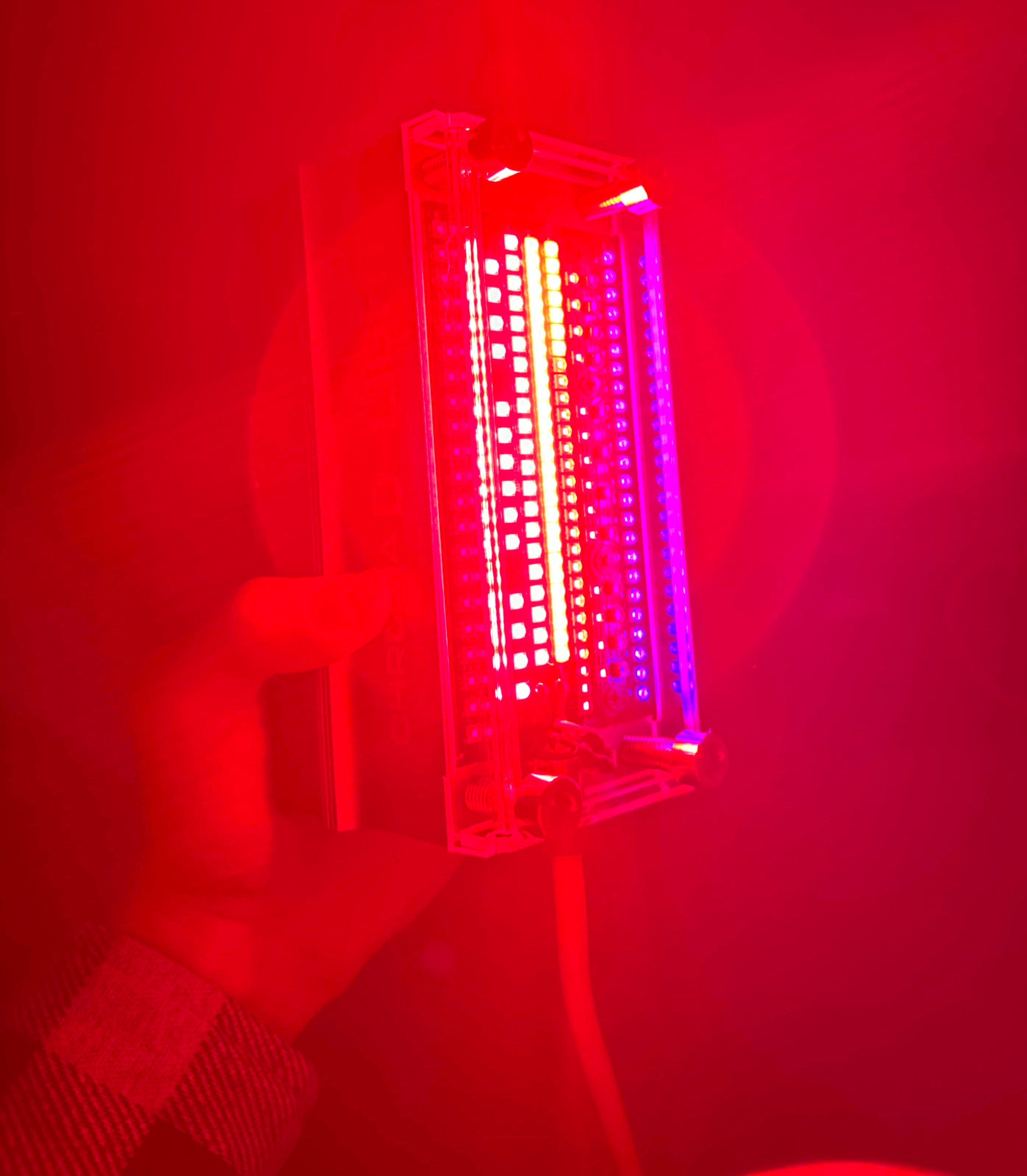
Pros:
Cost-effective (~$100 for bulb and lamp)
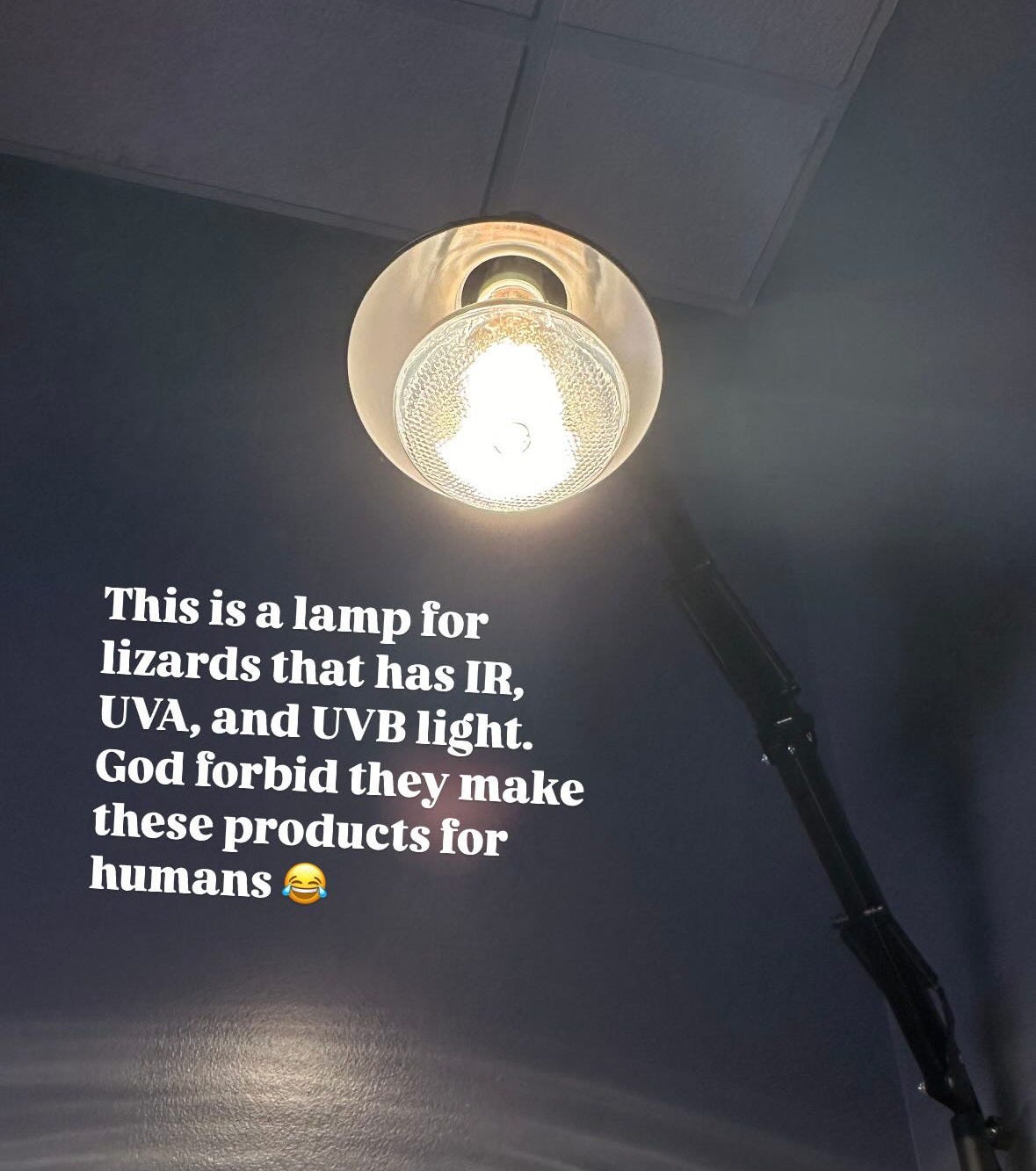
Full-spectrum (contains red/IR, UVA, and UVB)
Convenient (easily turn on while working)
Cons:
High wattage
Looks funny in an office setting
Pros:
Superior engineering (strong power output, flicker-free, durable)
Most comprehensive device with 11 wavelengths spanning red/IR, visible, UVA, and UVB
Handheld for full-body sessions & portability
Cons:
Expensive
UVB is narrowband (only one wavelength at 297nm)
Pros:
Well-made
Many size options including desktop
Contains three red/IR wavelengths, broadband UVA, and UVB
More cost effective than Chroma
Cons:
Narrowband UVB (311 nm)
Pros:
Broadband UVB
Fast 5-minute sessions
Cons:
Not paired with red/IR (less similar to sunlight, needs to be paired with sunlight or red light panel)
Expensive for just UVB
I personally use a lizard lamp periodically (20 min. at a time 2-4x per day) while I’m working most days and the Chroma D-Light (discontinued) for 5-10 minutes a few times per week in the winter.
Additionally, cold exposure increases endogenously produced UV biophotons, including UVB as evidenced by cryotherapy increasing Vitamin D levels.
Final Thoughts
Before your body interacts with food and chemicals, it interacts with light. UVB is a potent regulator of metabolic health, the immune system, focus, discipline, mood, and hormones. It’s an essential input in the modern world that must be strategically built in to your lifestyle. Use the tools above to get more of it.