

The self-experimentation phase has officially begun, and I’m starting with skipping dinner.
The goal is to take advantage of time-restricted eating while preserving optimal metabolic signaling (which gets DESTROYED when you skip breakfast).
I typically do some sort of loose “cut phase” after the holidays and an earlier eating window is always a priority, so this time around I’ll be monitoring metrics more intentionally.

Skipping breakfast became highly popularized with the intermittent fasting trend over the last decade, but recent analyses have shown skipping breakfast long-term is associated weight gain and obesity.
I’ve personally spoken to and worked with a handful of men who got into fasting because it helped them lose weight, but eventually their progress stalled out and left them skinny fat.
So why would skipping dinner be any better?
Circadian Alignment
Metabolism is dictated by the circadian rhythm. The body is primed to digest and metabolize food when the sun is out, aka earlier in the day. An earlier eating window aligned with the circadian clock improves glucose metabolism, fat oxidation, hormonal profile, and sleep quality.
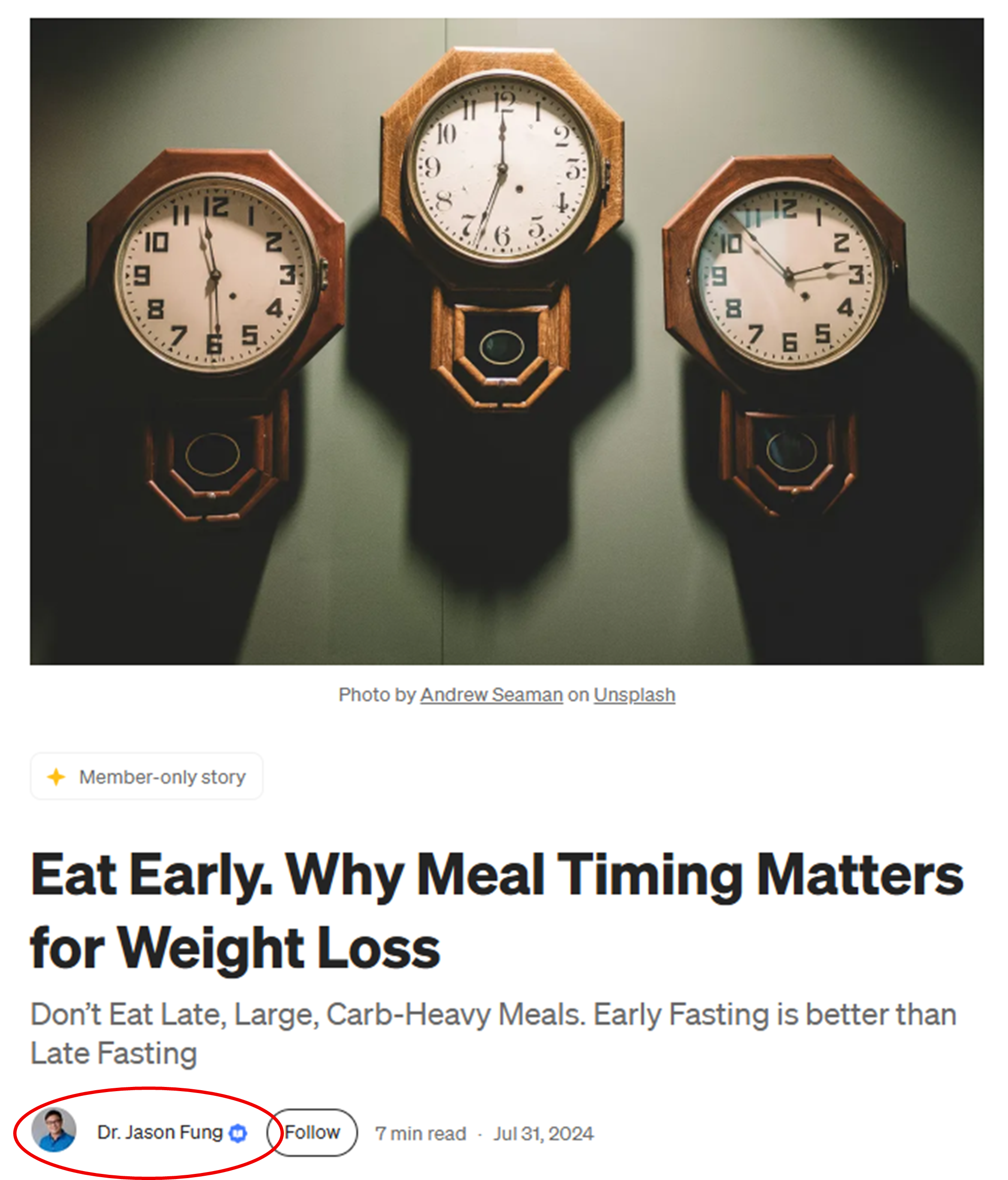
The standard 12:00-8:00 eating window touted by OG intermittent fasters is simply too late in the day. Even Jason Fung, the so-called godfather of intermittent fasting, says you need to eat earlier.
Leptin
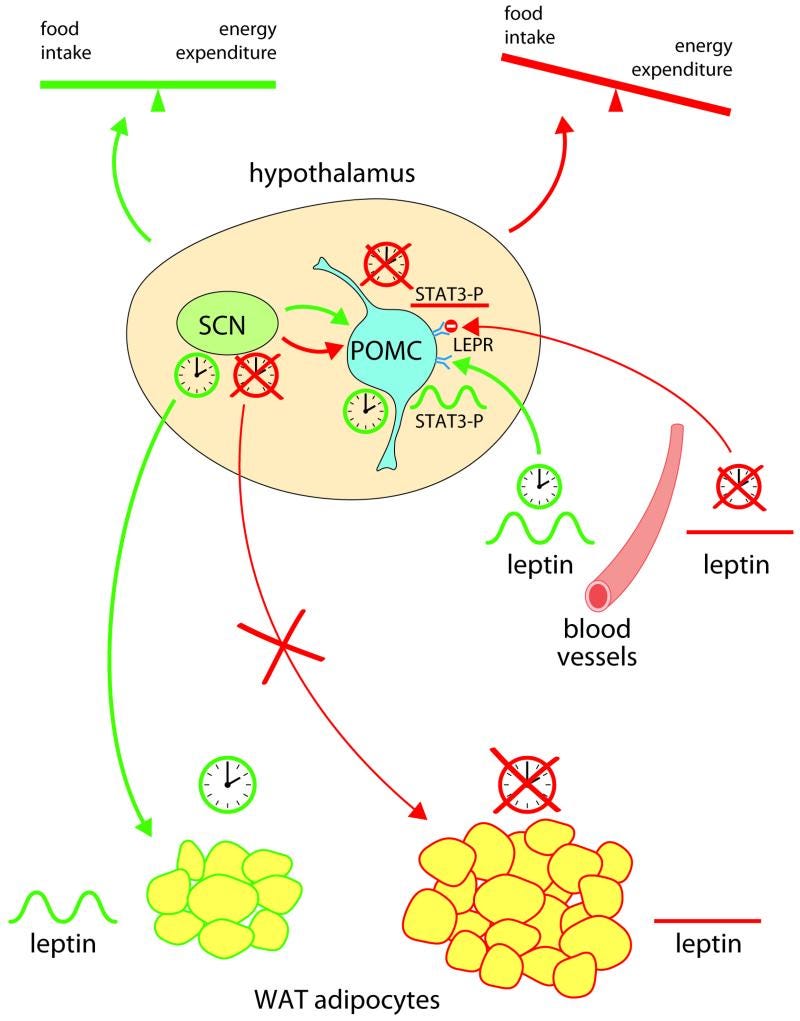
Eating an early breakfast preserves leptin, the central metabolic hormone that dictates energy burn vs. storage. Leptin tells the brain how much energy is available via fat stores or in circulation.
Skipping breakfast suppresses leptin, triggering a metabolic cascade that increases appetite and reduces energy expenditure (i.e. increased fat storage). Your brain thinks you’re starving, so it shifts into food-seeking and fat-storage mode.
Conversely, an earlier breakfast signals abundance and safety. An early pulse of leptin = “we have plenty of energy on hand, so eat less and make more energy.” Appetite is regulated while resting metabolic rate improves.
Side note: leptin is a circadian hormone, so sunlight during the day + darkness at night is crucial for its function. Midday sun is also critical to drive leptin’s metabolic activity through alpha-MSH and the leptin-melanocortin pathway.
Metabolic Flexibility
Skipping dinner still allows for 16-18 hours per day in a fasted state, allowing the body to dip into fat stores for energy production. This improves the function of the mitochondria by training the ability to utilize both glucose and fat to produce energy, contributing to less overall energy storage.
Experiment Setup & Expectations
The aim is to have breakfast around 7:30-8:00am and finish a late lunch around 2:00p, equating to a 17-18-hour fasting window.
50-60g of protein in each meal with moderate fat and ensuring daily carbs don’t drop below 100g (since the long fasting window should account for ketosis). With one less meal, the focuses are sufficient intake of calories and nutrients.
Maintaining an optimal circadian rhythm to preserve leptin signaling and synchronize with the early mealtime.
Shifting exercise to a low-volume strength approach as to not add any confounding metabolic variables from a training standpoint.
Metrics tracked:
A comprehensive metabolic panel on days 1 and 30.
Morning glucose & ketones every 3-5 days.
Weight & appearance every 3-5 days.
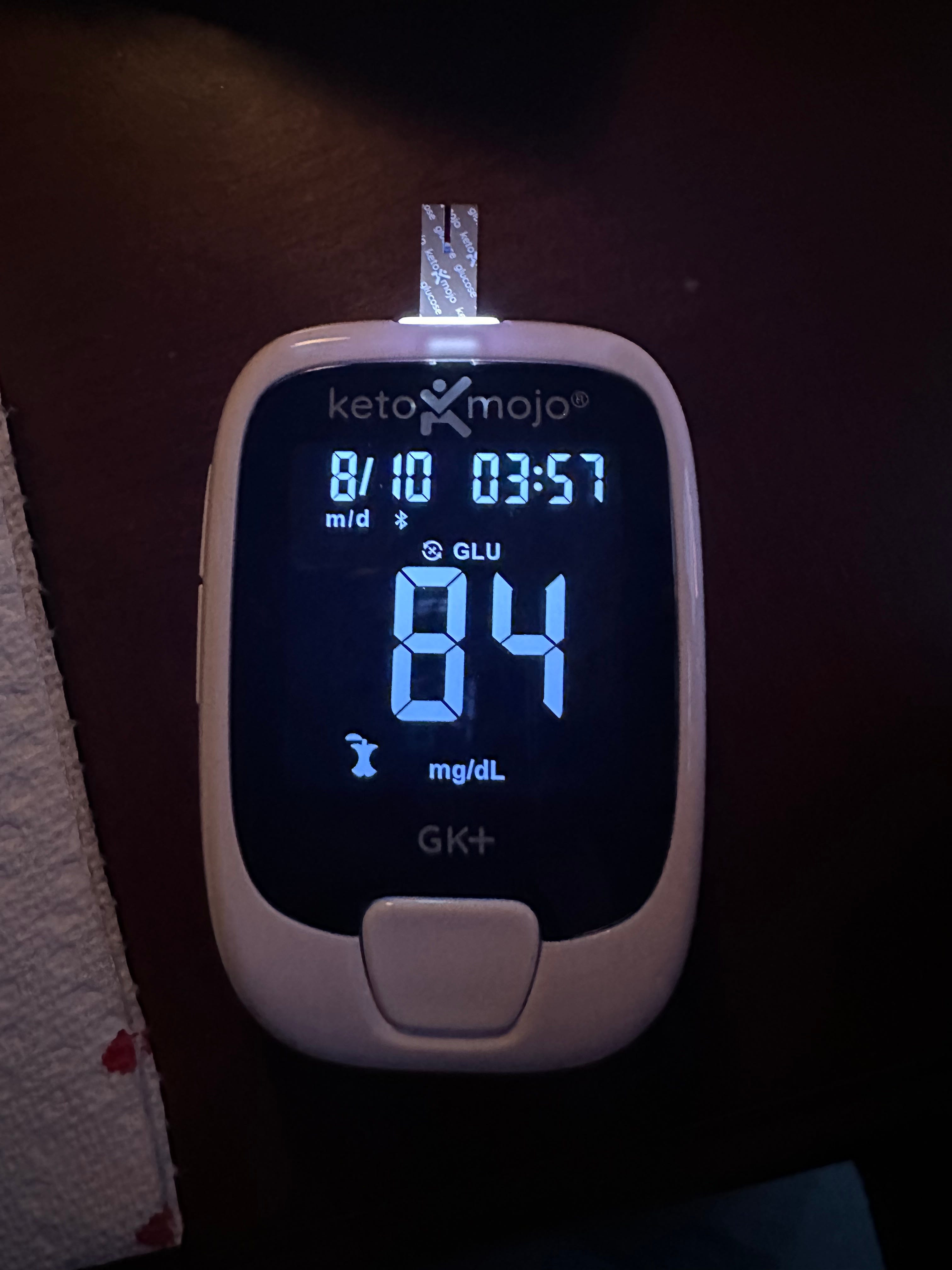
Other than the initial challenges with hunger, I expect overnight hypoglycemia as a potential issue. This can be confirmed by measuring glucose in the night when wake-up’s occur. If this becomes a consistent issue, I may introduce a small serving of fruit juice or honey before bed to keep glucose topped off without significantly interfering with the metabolic mechanisms in play.
Otherwise, I’m anticipating improvements in body composition, appearance, and energy levels, provided I’m getting sufficient nutrients and keeping circadian rhythm dialed.
I’ll post updates periodically on all socials.